
Local Buses
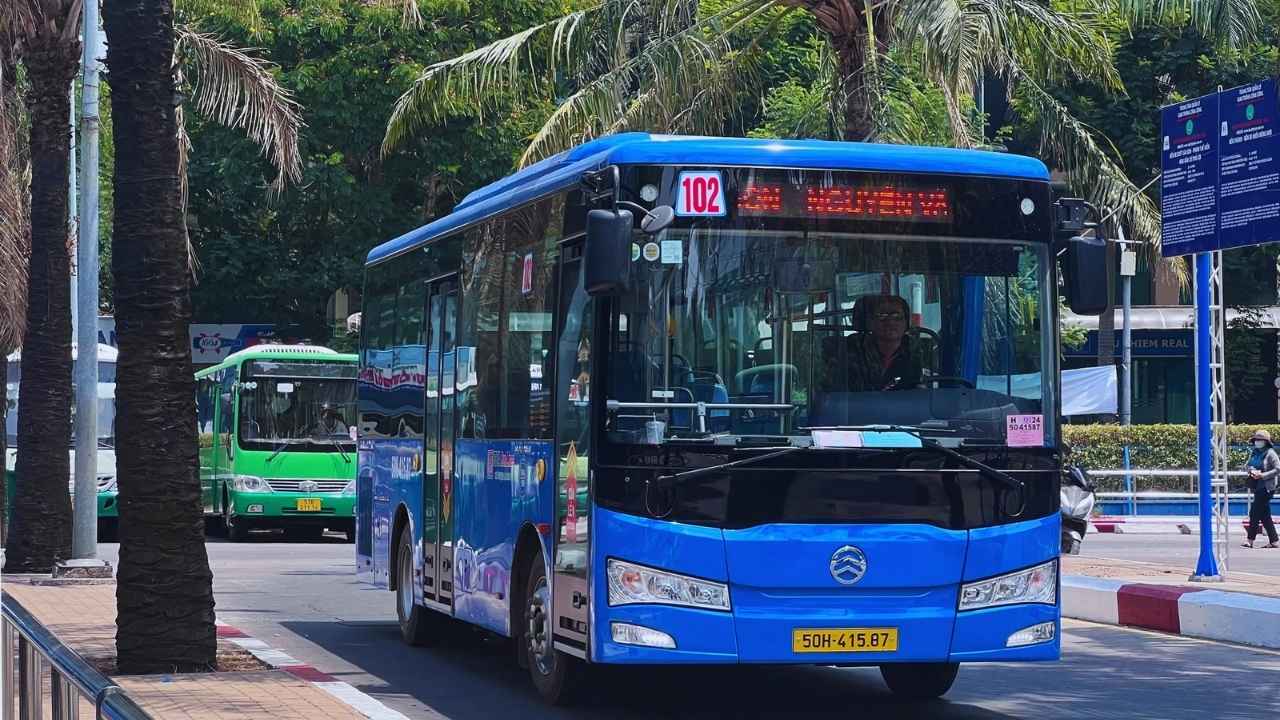
Navigating Vietnam's public bus system offers an authentic and incredibly affordable way to explore its bustling cities. While it may seem daunting at first, understanding a few key tools and procedures unlocks a network that connects you to local neighborhoods, markets, and attractions far from the tourist trail. This guide provides the essential knowledge needed to ride the local buses with confidence, saving you money and enriching your travel experience.
Navigating the System: Key Tools & Route Planning
Successfully using local buses in Vietnam hinges on knowing how to plan your route. Unlike metros or trams, bus routes can be complex, but modern tools have made it significantly easier for travelers.
Using Bus Route Apps
- For major cities like Ho Chi Minh City, Hanoi, and Da Nang, the BusMap app is an indispensable tool. It provides real-time bus tracking, detailed route information, stop locations, and a journey planner. Google Maps also has increasingly reliable public transport data, allowing you to input your destination and receive step-by-step bus directions.
Finding Your Bus Stop
- Bus stops are typically marked with a blue sign featuring a bus icon. The sign will list the numbers of the buses that service that stop. Use your app to confirm you are on the correct side of the road for your intended direction of travel. In Vietnam's busy streets, crossing the road can be a challenge, so it's best to be on the right side before the bus arrives.
Fares & Payments: How to Buy Your Ticket
Paying for your bus ride is a straightforward process, but it's almost exclusively a cash-based system.
The vast majority of local buses require payment in cash directly to the conductor. Fares are extremely cheap, typically ranging from 5,000 to 8,000 VND for a single trip within a city. It is crucial to have small notes; trying to pay with a 100,000 VND note or larger will likely be met with frustration, as conductors rarely carry enough change. The conductor will approach you after you board to collect the fare and give you a small paper ticket.
The Onboard Experience: Etiquette & What to Expect
Vietnamese buses are functional and can get crowded, especially during rush hour. Knowing the proper etiquette will ensure a smoother ride.
Boarding and Finding a Seat
- Board the bus through the front door. If seats are available, you can take one; seats at the front are often unofficially reserved for the elderly, pregnant women, and children. During peak times, expect to stand and hold on to the overhead rails or poles.
Signaling Your Stop
- This is one of the most critical steps. Buses do not automatically stop at every designated stop. You must signal your intention to get off by pressing one of the stop buttons located on the poles inside the bus as you approach your destination. When waiting at a stop to board, you should also wave or signal to the driver of the approaching bus to ensure they pull over for you.
Key City Bus Systems at a Glance
Ho Chi Minh City
- The bus system is extensive, with over 100 routes connecting all districts. Key routes for tourists include Bus #1, which goes to Cholon (Chinatown), and Bus #109, which connects the city center with Tan Son Nhat Airport. The system is well-integrated with the BusMap app.
Hanoi
- Hanoi has a dense network of modern, air-conditioned buses. The system is easy to navigate with apps, and key routes include Bus #86, the express airport bus, and Bus #09, which circles Hoan Kiem Lake, providing access to the Old Quarter.
Da Nang
- Da Nang's bus network is less dense than in Hanoi or HCMC but is modern and efficient. Routes connect the city center with popular destinations like My Khe Beach and the Marble Mountains. The DanaBus app is the official local tool for route planning.
🚨 Local buses are not recommended for travelers on a tight schedule, those with large luggage, or anyone uncomfortable with crowded spaces. The system is designed for local commuters, not speed, and the experience can be intense. For speed and convenience, especially with bags, a taxi or ride-hailing service is always the better choice.
The journey itself reflects the raw energy of Vietnam's streets.
- Drivers navigate aggressively in the chaotic traffic, which often involves sudden stops, sharp turns, and constant use of the horn—a standard tool for communication on the road.
- Service from bus attendants can feel abrupt or rude. Their priority is keeping to a strict schedule, so they focus on collecting fares quickly rather than customer service.
- Be prepared for a quick entry and exit. It is common for drivers to start moving before passengers have fully settled or to close the doors the moment a person's foot has cleared the last step. You must be alert and move purposefully to avoid being caught off guard.
Tips from locals
Local tips
📱 Download the BusMap app before you leave your hotel. It is the most reliable tool for navigating the systems in Hanoi and Ho Chi Minh City, showing live bus locations, route numbers, and the walking distance to the nearest stop. It removes almost all the guesswork from the process.
✅ When you want to get on, make clear eye contact with the driver and wave your arm to signal them. Buses often won't stop unless they see someone actively waiting to board. Similarly, press the "stop" button well in advance of your destination to give the driver enough time to pull over safely.
💡 Always have a screenshot or the written name and address of your destination handy. If you're unsure about your stop, you can show it to the bus conductor or a fellow passenger. Vietnamese people are generally very helpful and will often go out of their way to let you know when it's your turn to get off.
Be aware
🚨 Pickpocketing can occur on crowded buses, especially during peak hours. Keep your valuables in a secure, zipped-up bag worn on the front of your body, and be mindful of your surroundings. Avoid flashing expensive phones or jewelry.
💨 Drivers sometimes skip stops if no one has pressed the stop button or if they don't see anyone clearly waiting to board. The best defense against this is to track your journey on a GPS app like Google Maps or BusMap and be ready to press the stop button as soon as you pass the stop before yours.
FAQs
How much does a local bus ticket cost in Vietnam?
A single-trip ticket on a local city bus is very cheap, typically costing between 5,000 and 8,000 VND. Airport express buses or special routes may have higher fares.
Do I need exact change to pay for the bus?
While not strictly required, it is highly recommended. Bus conductors have limited change, so paying with small notes (1,000, 2,000, 5,000 VND) will make the transaction much smoother.
Are the buses in Vietnam air-conditioned?
Most modern city buses in Hanoi, Ho Chi Minh City, and Da Nang are air-conditioned. However, on older buses or in more rural areas, you may still find buses that rely on open windows for ventilation.
How do I know which bus to take?
The best way is to use a route planning app. The "BusMap" app is excellent for major cities, and Google Maps also provides reliable public transport directions.
Can I bring large luggage onto a local bus?
It is generally discouraged. Local buses are designed for commuters and have very little storage space, so trying to board with a large suitcase will be difficult, especially on a crowded bus.
Do bus drivers and conductors speak English?
You should not expect them to. It's helpful to have your destination written down or visible on your phone screen to show them if needed.
How do I signal that I want to get off the bus?
Most buses have red or yellow "STOP" buttons located on vertical poles throughout the bus. Press one of these buttons as you are approaching your stop.
Are local buses safe for tourists?
Yes, they are generally safe. The main issue to be aware of is petty theft, like pickpocketing, on crowded routes, so keep your belongings secure.
Do buses run late at night?
Bus services typically start around 5:00 AM and end between 9:00 PM and 10:00 PM. Very few routes operate late into the night.
Is there a special bus from the airport to the city center?
Yes, major airports in Hanoi (Bus #86), Ho Chi Minh City (Bus #109), and Da Nang have dedicated, higher-quality airport bus routes that are convenient for travelers with luggage.
Last updated: