
Sleeper Buses
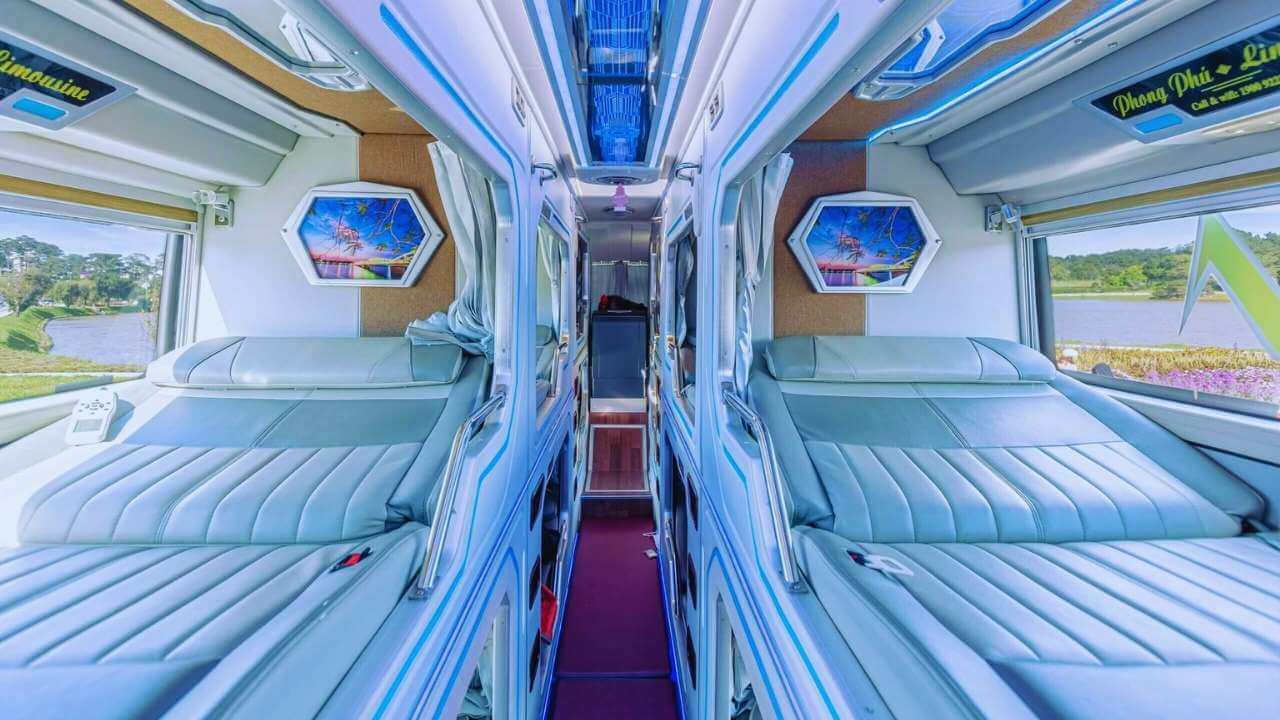
The sleeper bus is more than just a mode of transport in Vietnam; it is a fundamental component of the country's travel infrastructure and a rite of passage for many visitors. For decades, these long-distance coaches have been the workhorse connecting major cities and remote destinations, used daily by millions of locals and travelers alike. As a travel specialist who has navigated these routes for years, I can attest that understanding the sleeper bus system is key to unlocking the country efficiently and affordably. From the northern mountains of Sapa to the southern coast of Mui Ne, these buses traverse the length of Vietnam, turning travel time into rest time. This guide provides an authoritative, experience-based blueprint for your journey, detailing everything from the different types of buses and how to book them to crucial safety tips and what to expect onboard, ensuring you are fully prepared for a smooth and successful trip.
The Sleeper Bus Experience: What to Expect
The Berth Layout A standard Vietnamese sleeper bus features a two-tiered layout with three rows of semi-reclined berths. Each berth is a fixed pod, typically around 1.7 meters (5'7") long, which can be a tight fit for taller individuals. For more comfort, many companies now offer "VIP" or "Cabin" buses. VIP buses usually have two wider rows instead of three, providing more personal space. The premium option is the Cabin bus, which features private, enclosed pods with curtains or doors, often including a personal entertainment screen, offering significantly more privacy and comfort.
Onboard Amenities Standard amenities on nearly all sleeper buses include air conditioning (which can be quite strong), a clean blanket, and a small bottle of water. While Wi-Fi is frequently advertised, the connection is often unreliable or non-functional, especially in rural areas. USB charging ports are increasingly common on modern buses but should not be taken for granted. Toilets are very rare on standard buses; however, newer VIP and Cabin buses operating on longer routes (over 10 hours) may have a small restroom on board.
The Rest Stops For journeys over four hours, the bus will make scheduled rest stops every 3-4 hours. These typically last for 20-30 minutes at large roadside service stations. These complexes have restrooms (which may require a small fee) and a variety of food stalls selling pho, banh mi, snacks, and drinks. This is your primary opportunity to use the toilet and stretch your legs, as there are no other breaks.
Popular Sleeper Bus Routes & Average Costs
- Hanoi ↔ Sapa / Ha Giang: The main gateway to the northern mountains. (Approx. 6-8 hours | 250,000 - 450,000 VND ≈ $9.80 - $17.65 USD).
- Ho Chi Minh City ↔ Da Lat: A classic overnight route to the Central Highlands. (Approx. 7-8 hours | 300,000 - 550,000 VND ≈ $11.80 - $21.50 USD).
- Hanoi/Ninh Binh ↔ Phong Nha / Hue: The long-haul route connecting the north to the central coast. (Approx. 10-12 hours | 400,000 - 550,000 VND ≈ $15.70 - $21.50 USD).
- Ho Chi Minh City ↔ Mui Ne / Nha Trang: Connecting the southern metropolis to popular coastal towns. (Approx. 5-9 hours | 180,000 - 400,000 VND ≈ $7.00 - $15.70 USD).
Planning Your Visit: How to Book & Prepare
Booking Your Ticket: A Step-by-Step Guide
- Online via Booking Portals (Recommended): Using platforms like Baolau or Vexere is the most reliable method for foreign travelers. These websites feature English interfaces, allow you to compare multiple bus companies, schedules, and prices, and let you select your specific bunk from a seating chart.
- Directly on Company Websites: Major operators like FUTA (Phuong Trang) or The Sinh Tourist have their own websites for direct booking. While functional, the English translations and payment processes can sometimes be less intuitive than on dedicated portals.
- In-Person at a Bus Office/Travel Agent: You can always purchase tickets directly at the company's office in any major city or through a local travel agent. This is a good option if you are already in town, but it is best to book at least a day in advance. Always double-check the departure point, as it may be different from the sales office.
Best Time to Travel
For popular routes, especially on weekends, it is wise to book tickets at least 3-4 days in advance. During major Vietnamese public holidays like Tết (Lunar New Year, typically late Jan/early Feb), Reunification Day (April 30), and National Day (Sept 2), you must book several weeks ahead as tickets sell out completely and prices increase.
Your Departure Day Checklist
- Arrive Early: Be at the bus company's designated office or departure station at least 30-45 minutes before the scheduled time. This is not just a suggestion; some companies may re-assign your seat if you are late.
- Check-In: Present your e-ticket (a screenshot on your phone is sufficient) at the counter. They will confirm your name and often give you a physical ticket stub and a tag for your checked luggage.
- Luggage: Your large backpack or suitcase will be stored in the luggage compartment under the bus. Keep your daypack containing all valuables (passport, wallet, phone, electronics) with you at your berth.
- Shoes Off: It is a strict and non-negotiable rule to remove your shoes before boarding any sleeper bus in Vietnam. The driver or an attendant will provide a small plastic bag for you to store them in, which you keep with you at your seat.
Tips from locals
Local tips
🛌 Always try to book a bunk on the lower level. It provides a much more stable and less bumpy ride compared to the top level, making it easier to sleep. It also gives you quicker access to the aisle and your belongings.
🎒 The overhead compartments are often too small for a full daypack. Keep your essential bag by your feet or use it as a pillow, ensuring your valuables are secure and within reach at all times while you sleep.
📍 Many sleeper buses drop passengers at stations on the outskirts of the city center. Have your destination address saved in an offline map app (like Google Maps or Maps.me) to easily navigate or show a taxi driver where you need to go upon arrival.
💡 Don't be surprised if your bus makes frequent, seemingly random stops in the middle of the night to pick up or drop off packages. Sleeper buses in Vietnam often double as a nationwide courier service. This is a normal part of the journey and helps keep ticket prices low for passengers.
Be aware
🚨 Petty theft can occur, especially while passengers are asleep. Never store your passport, phone, or wallet in the overhead compartment or a loose bag. Keep all valuables physically on your person or zipped inside your daypack, which you should use as a pillow or keep wedged beside you.
🛣️ Driving standards can be inconsistent, with some drivers being more aggressive or faster than others. Choosing highly-rated, well-known companies like Futa (Phuong Trang), The Sinh Tourist, or Limousine/VIP cabin services generally leads to a better safety record and a more professional experience.
🗺️ Be wary of "helpful" taxi drivers who meet the bus upon arrival and claim your hotel is closed or too far away. This is a common tactic to drive you to a commission-based hotel instead. Always trust your own map and book your accommodation in advance.
FAQs
Is there a toilet on the bus?
Usually no. Most standard buses rely on scheduled rest stops every 3-4 hours. Some newer, premium "Cabin" or "VIP Limousine" buses on very long routes (e.g., Hanoi to Hue) may have a small toilet at the back.
Are sleeper buses in Vietnam safe?
With reputable companies, they are generally considered safe. These companies tend to have better-maintained vehicles and more professional drivers. However, the driving style can be faster than what many visitors are used to.
How much luggage can I bring?
The standard allowance is one large piece of luggage (up to 20kg) for the undercarriage hold and one small daypack to keep with you at your seat.
Are they safe for solo female travelers?
Yes. It is a common mode of transport for everyone, including solo women. Choose a well-known company, book your bunk in advance, and keep your valuables with you.
Are the bunks comfortable for tall people?
They can be cramped. Standard bunks are typically around 1.7m (5'7") long. If you are taller, booking a VIP or Cabin bus with more legroom is highly recommended.
Can I choose my bunk?
Yes, when booking online through portals like Baolau or Vexere, you can select your exact bunk from a seating map. The bottom bunks are generally preferred.
Is there Wi-Fi and are there charging ports?
Wi-Fi is advertised but the signal is often weak or non-existent. Newer buses have USB charging ports, but they may be shared or not work. Always bring a fully charged power bank.
How do I book a ticket?
The easiest way is to book online through Baolau or Vexere. You can also book directly on the bus company's website or in person at their office.
Are food and water provided?
A small bottle of water is almost always included. No food is provided, but you can buy meals and snacks during the scheduled rest stops.
Do I need to print my ticket?
No. An e-ticket on your smartphone is sufficient. The staff will scan the QR code or check your name against their passenger list.
Last updated: